South African Women, Gambling and the Fight for Financial Freedom

Key takeaways
Rising living costs are changing why people gamble. In the latest Sanlam Benchmark Study, nearly 40% of those who gamble said they were betting in the hope of boosting their income rather than purely for entertainment.
The money is coming from places it was never meant to come from, including salaries, credit, family loans, micro-lenders and even the savings portion of two-pot retirement plans.
Small, frequent spends are easy to overlook, but over time they can crowd out an emergency fund or retirement savings, and the effects are often felt across a whole household.
Free and confidential help is available. The national gambling counselling line is 0800 006 008, and a licensed financial adviser can help you look at your whole financial picture, not just the betting.
This guide is brought to you by Sanlam to help you understand how gambling can affect household finances, how to spot when it has stopped being entertainment, and where to find support.
Rising living costs are reshaping how South Africans gamble. While most still describe it as entertainment, the latest Sanlam Benchmark Study shows nearly 40% of those surveyed now bet in the hope of boosting their income – often using salaries, credit and even retirement savings, in a pattern experts warn is less about fun and more about financial desperation.
“An increase in gambling isn’t telling us that members are more frivolous – it tells us they’re more desperate. Those small, regular leaks on gambling may look modest, but over time they crowd out savings – especially in a country that already has a weak savings culture,” says Anna Siwiak, Head of Product at Sanlam Umbrella Solutions.
For women, who are often the ones stretching household budgets to cover school fees, groceries and transport, that can come at a particularly high price.
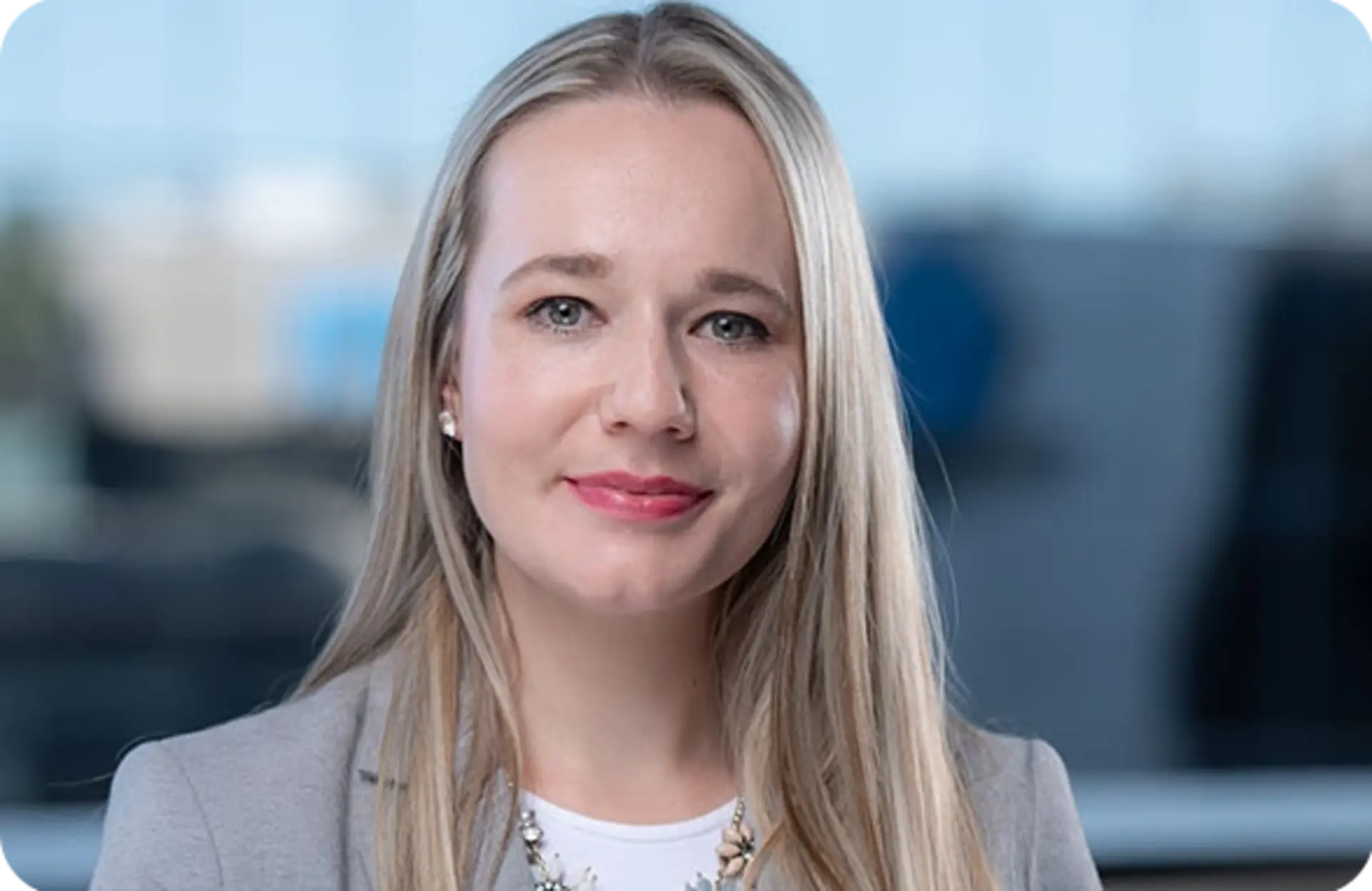
Small, frequent spends on lotto tickets and scratch cards may feel harmless, but over time they drain money that could have gone into emergency savings or retirement – eroding the very safety and choices women work hard to protect.
Anna Siwiak, Head of Product at Sanlam Umbrella Solutions
How are South Africans funding their gambling?
The numbers from the benchmark survey serve to give more insight into why South Africans are gambling.
According to Siwiak, 32% report that gambling is adding to their financial stress.
Where the money comes from matters just as much as how much is spent:
66% draw on their salaries or wages.
13% access the savings portion of their two-pot retirement plans.
10% rely on credit cards or overdrafts.
8% borrow from family and friends.
6% turn to micro-lenders
The findings are backed up by the South African Gambling Impact Study, conducted by Yazi in May 2026.
According to the study, among 1 028 surveyed South Africans who had gambled online in the previous 30 days, 57% of participants had sacrificed essentials such as groceries, airtime, transport money, rent or debt repayments to fund their gambling and 29% had borrowed money to gamble.
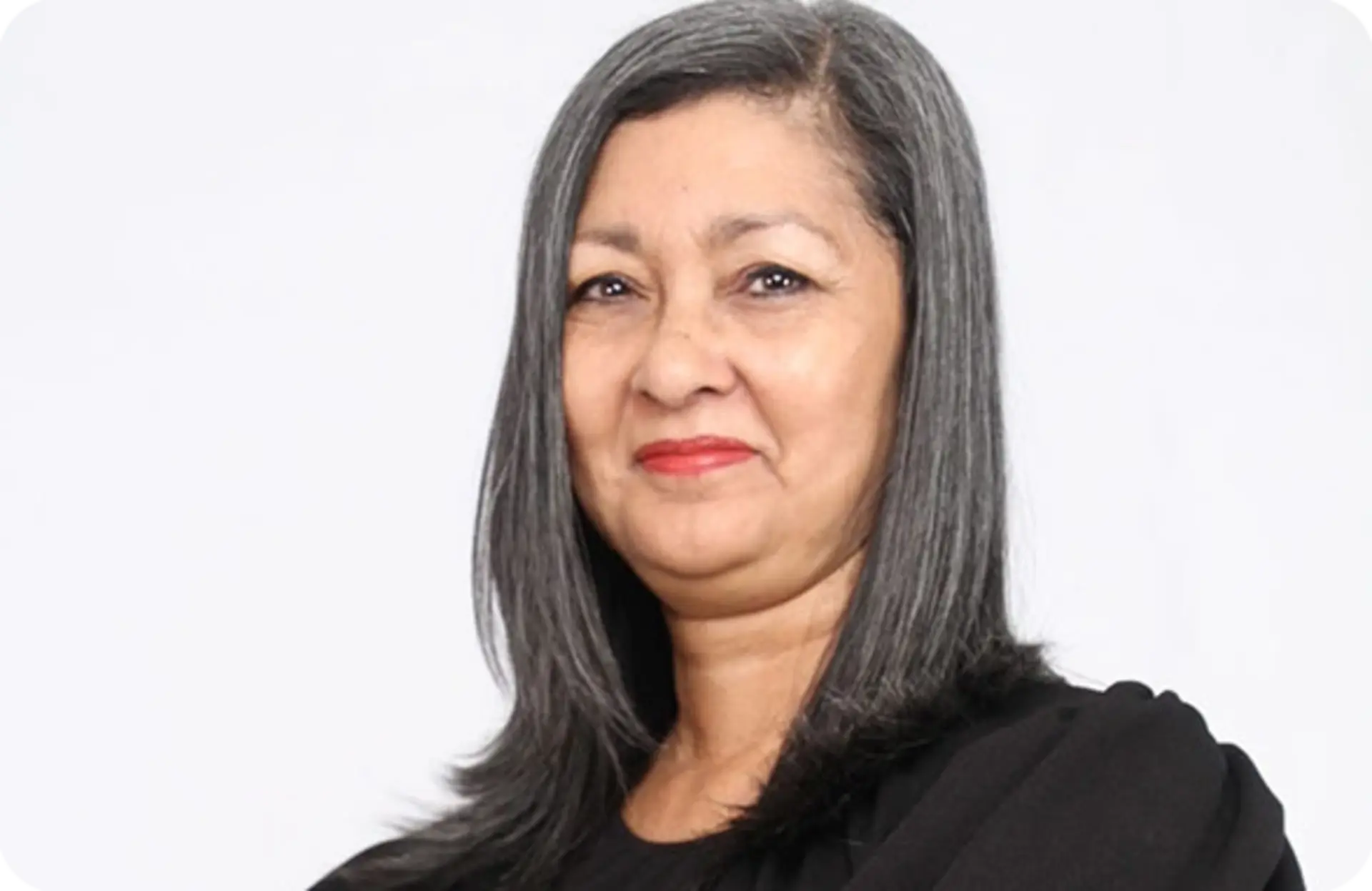
Gambling can create a powerful but temporary sense of hope and control for people under financial stress, offering the illusion that one big win could solve mounting money problems…
Dr Marion Borcherds, Head of Well-being at AfroCentric
When does gambling move from entertainment to addiction?
“Gambling can create a powerful but temporary sense of hope and control for people under financial stress, offering the illusion that one big win could solve mounting money problems. In the moment, it acts as an emotional escape from anxiety about debt, daytoday survival, and the strain these pressures place on relationships,” explains Dr Marion Borcherds, gender and employee wellness expert and Head of Well-being & Benefits at AfroCentric. “But because this relief is short-lived and doesn’t address the root causes, it often deepens both the financial and emotional challenges it briefly seems to ease,” she adds.
Dr Borcherds says one of the major challenges surrounding gambling is the illusion of a solution within reach which can make gambling seem like a rescue plan rather than entertainment, despite its temporary nature. This can often be compounded by media reporting on major wins, while very seldom covering the societal impacts of the losses.
Speaking to the psychology of not knowing when to stop, Dr Borcherds explains that people often feel compelled to keep gambling to try to recover their losses.
“Loss-chasing psychology is the vicious cycle where, after a big loss, a person keeps gambling in a desperate attempt to win back what they’ve lost. Instead of walking away, they become fixated on recovering the money, which clouds judgment, fuels risky bets, and often leads to even deeper financial and emotional harm,” she says, adding that it’s important to distinguish between gambling as entertainment and a disorder.
How does gambling affect women and families?
Dr Borcherds is quick to point out that gambling can also become a family problem, which may lead to financial hardship, conflict, and emotional distress in the home.
She describes a testimonial given during an open webinar by someone whose gambling escalated so severely that he sold his car to fund more bets, a decision that deeply affected his family and was later echoed when his son developed a serious gambling problem of his own.
“Gambling doesn’t just affect the person placing the bets – it hits the whole family, often wiping out savings, deepening debt, and driving conflict, anxiety, and even domestic violence behind closed doors,” she says.
Dr Borcherds explains that in many cases women carry the brunt of this harm, both as partners of people who gamble and as women who may turn to gambling themselves under severe financial and emotional pressure.
“When gambling and financial abuse combine – for example, a partner hiding money, controlling bank accounts, or using family assets to fund bets – it creates economic dependence that can trap women in unsafe or abusive relationships,” she says.
What is financial abuse?
Although not often spoken about, financial abuse is a very real problem in South Africa today. Dr Borcherds explains that this is when one partner uses money to control the other. It can include taking a partner’s salary, blocking their access to bank accounts, hiding information about debts or assets, forcing them to sign financial agreements, or using shared property and savings to fund things such as gambling without consent.
She says unlike ordinary money disagreements, financial abuse cuts one person out of decisions, keeps them in the dark, and creates fear and dependence that can make it very hard to leave an unhealthy or unsafe relationship.
What are the signs that gambling may be a problem?
Dr Borcherds points to eight patterns worth paying attention to:
Gambling when stressed or upset – turning to gambling specifically when feeling anxious, lonely, overwhelmed, or under financial pressure, as a way to fix or escape feelings.
Believing gambling will solve problems – thinking this will sort everything out or that one win will fix it, rather than seeing it as entertainment.
Increasing frequency – gambling more often than before or finding it creeping into more and more of your free time.
Spending more than intended – regularly going over your planned limit, dipping into savings, or using money needed for essentials.
Secrecy and hiding behaviour – hiding gambling from a partner or family, deleting records, or sneaking off (even to the bathroom or private spaces) to gamble online.
Irritability when you can’t gamble – feeling agitated, restless, or bad-tempered when you don’t have access to gambling.
Constantly thinking about gambling – planning the next opportunity to gamble, watching for gaps in the day to do it, or mentally replaying wins and losses.
Chasing losses – continuing to gamble specifically to win back money you’ve lost, rather than stopping and accepting the loss.
Next steps you may want to consider
Dr Borcherds is clear: “This is not a willpower problem. If you see yourself in these patterns, treat it as a health and safety issue, not a personal failing. Get help early, use formal support channels, and don’t try to manage it completely on your own,” she says. “Prioritise safety if gambling is tied to abuse. Where gambling and financial control or any kind of violence overlap, safety must come first,” she says, adding that any steps should be done in a way that doesn’t expose the person to any kind of aggression or harm.
From a financial perspective, Siwiak agrees that people need not feel they are tackling the challenge alone.
“Speak to a licensed financial adviser who can look at your whole picture – income, debts, policies and goals – and help you find small but realistic ways to redirect money from gambling into savings, especially an emergency fund and a solid retirement plan. A key part of that conversation is understanding what truly counts as discretionary spend. Get help doing the maths on your life, know exactly what you can truly afford to lose, and make sure more of your spare money is helping build your future instead of vanishing on the next draw or bet.”
Where can you get free help in South Africa?
These services are free and confidential, and they support family members as well as the person gambling.
South African Responsible Gambling Foundation – toll-free counselling and treatment, on 0800 006 008, or WhatsApp or SMS the word HELP to 076 675 0710. responsiblegambling.org.za
Gamblers Anonymous South Africa – peer support meetings for people who want to stop gambling. gamblersanonymous.org.za
SADAG (South African Depression and Anxiety Group) – counselling and referrals on 011 234 4837, or the 24-hour Suicide Crisis Helpline on 0800 567 567. sadag.org
LifeLine South Africa – the National Counselling Line on 0861 322 322, and the Stop Gender Violence Helpline on 0800 150 150. lifelinesa.co.za
Practical resources to help build financial resilience
It can help to empower yourself with some practical tips and tools to better manage your money, ensuring that even small monthly changes can compound over time. These educational articles have some valuable insight.
How to save today to protect your financial future
10 small habits that could help you save over time
How to build an emergency fund
Remember, recognising that gambling has stopped feeling like a choice takes real courage, and you don’t have to carry it in silence - support is free, confidential and closer than it feels.
Choosing to speak to someone early, a partner, a friend, a counsellor or a licensed financial adviser, is where financial freedom starts to come back.
This is for general information and education only and does not constitute financial advice. For personal recommendations, speak to a licensed financial adviser.
Frequently asked questions
Why are more South Africans gambling?
Rising living costs appear to be part of it. In the latest Sanlam Benchmark Study, nearly 40% of respondents who gamble said they were betting to generate extra income rather than purely for entertainment, and 32% said gambling was adding to their financial stress. In other words, for a sizeable group it has shifted from a pastime to an attempt at income.How do I know if gambling has become a problem?
Common patterns include gambling when you are stressed, spending more than you planned, hiding it from the people close to you, feeling irritable when you cannot gamble, and continuing to bet in order to win back what you have lost. If some of these sound familiar, it may help to treat it as a mental health issue and speak to a trained counsellor rather than trying to manage it alone.What is financial abuse, and how is it different from arguing about money?
Financial abuse is when one partner uses money to control the other, for example by taking their salary, blocking access to bank accounts, hiding debts or assets, or using shared savings to fund gambling without consent. Unlike an ordinary disagreement, it cuts one person out of decisions and creates a dependence that can make leaving an unsafe relationship very difficult. Where any violence is involved, safety comes first. If you are in immediate danger, call the police on 10111 or seek emergency help. For confidential GBV support, call the Stop Gender Violence Helpline on 0800 150 150 or the GBV Command Centre on 0800 428 428.Where can someone get free help for gambling in South Africa?
The South African Responsible Gambling Foundation runs a free, confidential counselling line on 0800 006 008, and you can WhatsApp or SMS the word HELP to 076 675 0710. Counselling, assessment and referral for face-to-face treatment are free, for the person gambling and for their immediate family. Gamblers Anonymous, SADAG and LifeLine offer further support.
Key terms explained
Discretionary spend: The money left after essentials such as rent, food, transport, debt repayments and insurance. It is the only money that can reasonably be put at risk.
Loss-chasing: Carrying on gambling after a loss in order to win the money back, rather than stopping and accepting the loss.
Two-pot retirement system: The system that splits retirement contributions into a savings component you may access before retirement and a retirement component preserved until you retire.
Emergency fund: Money set aside in an accessible account for unexpected costs, so a surprise expense does not have to go on credit.
Financial abuse: Also called economic abuse. Using money or assets to control a partner, for example withholding income, restricting access to accounts or concealing debts.
Gambling disorder: A recognised clinical condition, distinct from gambling for entertainment, in which a person cannot control their gambling despite the harm it causes.
Sources and further reading
Sanlam Benchmark Study: “When a small bet becomes a big problem”. Available at:
https://www.sanlamonline.co.za/knowledge-hub/sanlam-benchmark-survey-when-a-small-bet-becomes-a-big-problemYazi — South African Gambling Impact Study (May 2026)
Available at:https://www.askyazi.com/downloadable-resources/2026-south-african-gambling-impact-studySouth African Responsible Gambling Foundation (SARGF)
Available at:https://responsiblegambling.org.za/Gamblers Anonymous South Africa
Available at:https://www.gamblersanonymous.org.za/South African Depression and Anxiety Group (SADAG)
Available at:https://www.sadag.org/LifeLine South Africa
Available at:https://lifelinesa.co.za/Sanlam Knowledge Hub — saving for the future
Available at:https://www.sanlamonline.co.za/knowledge-hub/how-to-save-today-to-protect-your-financial-futureSanlam Knowledge Hub — small saving habits
Available at:https://www.sanlamonline.co.za/knowledge-hub/10-small-money-habits-that-could-help-you-save-over-timeSanlam Knowledge Hub — emergency fund
Available at:https://www.sanlamonline.co.za/knowledge-hub/how-to-build-a-realistic-emergency-fund-in-2026Sanlam. “Get Advice.” Sanlam Personal. Available at: https://www.sanlamonline.co.za/personal/get-advice